

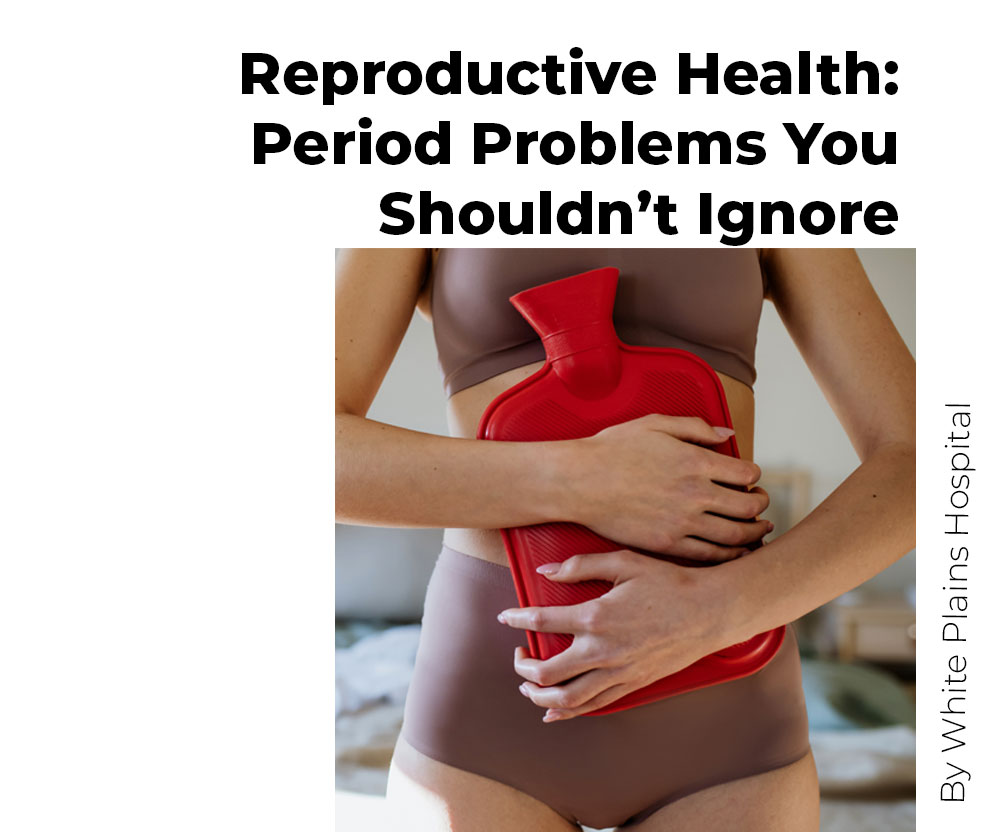
Menstruation is a natural part of life for many women, yet painful or unusually heavy periods are often dismissed. While some variation in menstrual cycles is normal, persistent pain, irregularity, or excessive bleeding can be signs of underlying health issues that shouldn’t be ignored.
Understanding your menstrual health is essential not just for managing discomfort, but for identifying potential reproductive conditions early, when interventions are most effective.
Unfortunately, many women hesitate to speak up about period problems, thinking they are a normal inconvenience, which can delay diagnosis and treatment of conditions that may impact fertility, overall well-being, and quality of life.
Here are three common conditions linked to problematic periods that every woman should be aware of:
Endometriosis
What it is: An ongoing inflammatory condition in which cells similar to the lining of the uterus grow outside the uterus and attach to other parts of the body, creating scar tissue. The condition can lead to infertility, if untreated.
Symptoms: Pelvic pain that interferes with daily functioning, cramps before or after a period, lower back pain, fatigue, abdominal bloating, nausea, mood changes, pain with bowel movements, urination and during sexual activity.
Treatment: While there is no cure, pain medication and hormonal therapy such as birth control pills can help symptoms. If these options don’t work, surgery may be considered.
Fibroids
What they are: Fibroids are the most common benign tumors of the female reproductive system
Symptoms: Heavy menstrual cycles or prolonged painful cycles, pelvic pressure, cramps, urinary frequency or urgency, pain with sexual activity, anemia
Treatment: “Uterine fibroids are primarily diagnosed with imaging— ultrasound first, and MRI in more complex cases,” notes Dr. Mark Burshteyn Director of Interventional Oncology at White Plains Hospital. While hysterectomy was once the main treatment for fibroids, “There are now many options, including medications, less invasive procedures like myomectomy, and minimally invasive procedures such as uterine artery embolization (UAE). UAE can be performed through just a small puncture in the skin, which means less pain and quicker recovery.”
Polycystic Ovary Syndrome (PCOS)
What it is: A common hormonal disorder in women of reproductive age, characterized by irregular or missed periods, high androgen levels, and ovarian cysts which can lead to infertility
Symptoms: Menstrual irregularity, excess hair growth, acne, obesity, infertility problems
Treatment: Combined hormone birth control, insulin, metformin and anti-androgen medications
In addition to maintaining a healthy diet, regular exercise, and getting adequate sleep, it’s important for women to stay attentive to any abnormal symptoms or changes in their menstrual health. Regular preventive care with a primary care physician and OB/GYN allows for personalized screening and early intervention when needed.
Schedule physicals, screenings and other preventive care visits at any of White Plains Hospital’s 30+ locations throughout the region. To find a physician, visit wphpa.org or call 914-849-MyMD (6963).
This article originally appeared in Health Matters, a White Plains Hospital publication.